Standard PS4 controllers feel sluggish in high-stakes matches. You’re constantly shifting your grip just to hit L3 or R3, losing milliseconds that cost rounds. What if you could map those actions to your fingers—without lifting a thumb? Enter the gaming ps4 controller with paddles: built for speed, precision, and total command.
Why Stock PS4 Controllers Hold You Back
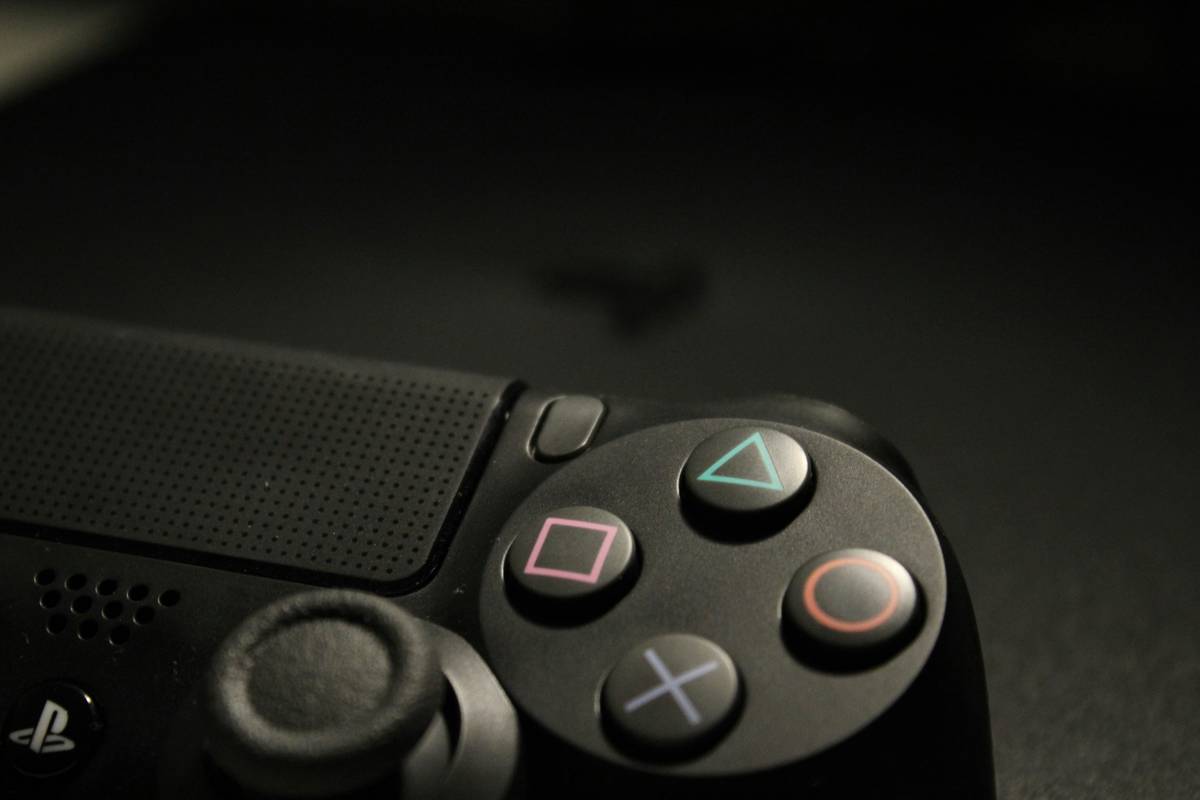
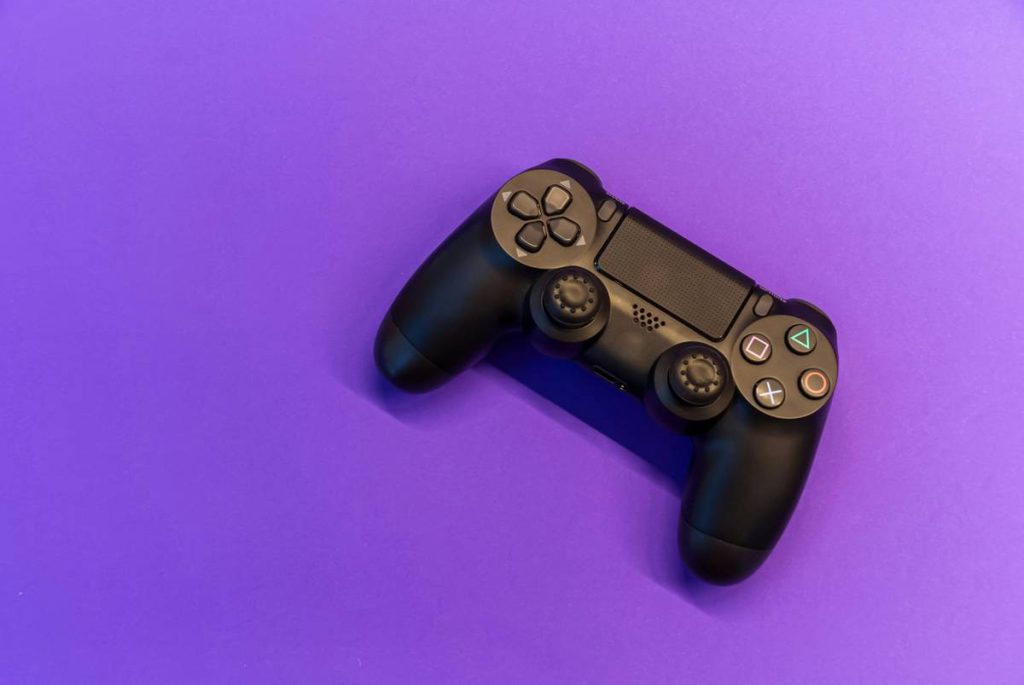
The DualShock 4 wasn’t designed for competitive play. Its symmetrical sticks and lack of rear inputs force unnatural hand contortions during rapid maneuvers—especially in shooters or racing sims. And don’t get me started on accidental touchpad taps mid-firefight.
Pro players know this. That’s why nearly every tournament finalist uses modified hardware. But Sony never offered official paddle support on PS4. So third-party manufacturers stepped in—and not all are created equal.
How to Choose & Master Your gaming ps4 controller with paddles
Paddle Placement Matters More Than You Think
Four paddles sound ideal—until two sit idle because your pinky can’t reach them. Elite competitors often disable one or two paddles entirely. Less is more. Map only what you’ll actually use: crouch, jump, weapon swap, or brake.
Wired vs. Wireless: The Hidden Trade-Off
Yes, wireless freedom feels premium. But latency is real—even at 4ms. In split-second scenarios, like clutching a drift or landing a headshot, wired wins. Most serious contenders lock in with cables. Don’t kid yourself otherwise.
Mapping Strategy Over Hardware Hype
A $200 controller won’t fix poor button discipline. Start simple: assign sprint to lower-left paddle, melee to lower-right. Test for a week. Then iterate. Muscle memory beats specs every time.
| Controller Model | Paddle Count | Connection Type | Customization Depth | Price Range |
|---|---|---|---|---|
| Scuf Vantage | 4 | Wired/Wireless | High (remappable, swappable sticks) | $160–$190 |
| Razer Raiju Tournament | 4 | Wired Only | Medium (onboard profiles, no stick swaps) | $130–$150 |
| Nacon Revolution Pro | 2 | Wired | Medium (weight tuning, basic remap) | $100–$120 |
| Hori Fighting Commander | 0 (but has rear buttons) | Wired | Low (fixed layout) | $60–$80 |
The Industry Secret: Paddles Aren’t Just for Shooters
Everyone assumes paddles = Call of Duty advantage. Wrong. Racing simmers use them for gear shifts, clutch control, or pit-lane signals—hands never leaving the wheel rim equivalent. Even fighting game pros map block or parry to rear buttons for cleaner execution. The real edge? Reducing cognitive load. When core actions live under your fingertips, your brain stops “thinking” about inputs—and starts reacting. That’s the gap between good and elite.
And here’s something brands won’t tell you: most paddle controllers ship with overly stiff triggers out of the box. Break them in with 3–5 hours of light use before match day. Otherwise, you’ll fatigue faster than your opponent’s aim dies.
Frequently Asked Questions
Do paddles work on PS5 with PS4 games?
Yes—if the game runs in backward compatibility mode and the controller is officially licensed. Third-party units may lose paddle functionality on PS5.
Can I add paddles to my existing DualShock 4?
Not without voiding warranty and risking input lag. Clip-on mods exist but often interfere with ergonomics—better to invest in purpose-built hardware.
Are paddles allowed in tournaments?
Most major PS4 esports circuits (like CWL or ALGS) permit licensed paddle controllers. Always check event-specific rules—some ban programmable macros.